
 By
By 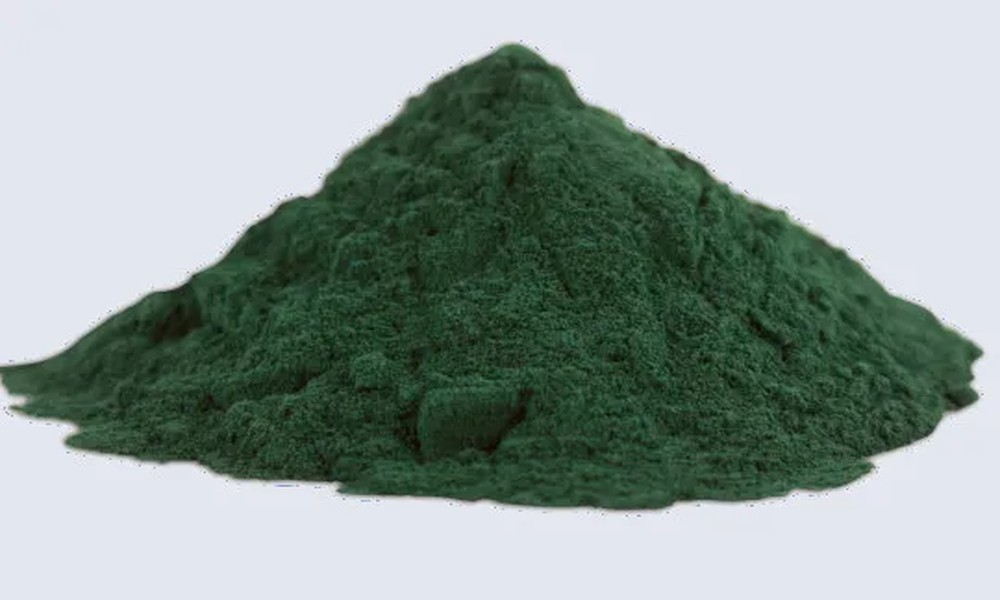
Finding the right color supplier sounds simple until production actually starts moving. At that point, small issues stop feeling small. A color looks slightly off, one batch behaves differently, or the powder does not mix the way the team expected. Then everyone suddenly cares a lot. That is why choosing Food Color Suppliers is usually less about flashy catalogs and more about consistency, communication, and whether the product performs properly inside real food applications.
Color quality shows up long before the shelf.
A supplier matters early, not just at the final packaging stage. Food manufacturers need ingredients that behave predictably during mixing, heating, cooling, and storage. If the color changes too easily, the product starts looking inconsistent across batches. That can affect trust fast. Good Food Color Suppliers usually understand this and provide more than a sales sheet. They should also understand shade stability, application fit, and what happens when ingredients meet different recipe conditions.
Powder formats need their own kind of checking.
A lot of manufacturers look for dry color formats because they are easier to store and often easier to transport. That makes sense, but powder has its own issues, too. Clumping, poor dispersion, and uneven blending can turn into annoying production problems very quickly. This is why working with reliable food coloring powder suppliers matters more than many buyers first assume. The powder should not just look fine in the bag. It should work smoothly in actual processing conditions.
Not every supplier fits every food category.
This gets missed more than it should. One supplier may work well for bakery items, while another may be stronger for beverages, confectionery, or snack applications. Different recipes ask for different behavior from the color source. Moisture, acidity, oil content, and temperature all affect how the final shade appears. So when comparing Food Color Suppliers, it helps to think less about who sounds biggest and more about who understands the category you actually produce every week.
Documents matter, but so does real support.
Most suppliers can send a specification sheet. That part is expected. What matters more is whether they can answer practical questions without making everything sound vague. If a buyer asks about dispersion, heat tolerance, or batch variation, the response should feel clear and useful. Strong food coloring powder suppliers usually stand out here. They know buyers are not only purchasing a color. They are also trying to avoid delays, rework, waste, and confusion in the middle of manufacturing.
Consistency usually decides the long-term relationship.
A first sample can impress almost anyone. The harder part is keeping the same result across repeat orders. Food products need visual consistency because customers notice changes quickly, even when they cannot explain them clearly. Slight color drift can make a product seem less dependable. That is why experienced buyers often stay focused on repeat performance. The best Food Color Suppliers and food coloring powder suppliers are usually the ones who make each batch feel predictable instead of surprising the production team every few weeks.
Conclusion
Choosing a supplier for food color is really a production decision, not only a purchasing decision made from a product list. At foodrgb.com, businesses can review options with more attention to consistency, powder handling, and real application needs across different product categories. Strong Food Color Suppliers should help manufacturers maintain stable shades and smoother processing, while dependable food coloring powder suppliers should support reliable blending and storage. Compare carefully, ask practical questions, and choose a supplier that fits your manufacturing process with confidence and clarity.






Comments