
 By
By 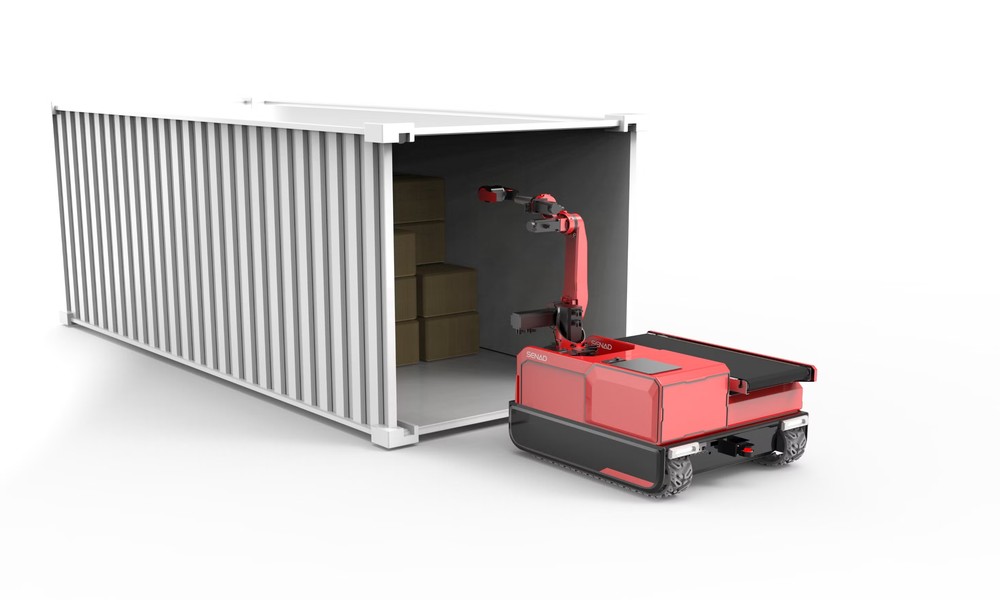
As automation continues to reshape the food industry, container unloading robots are becoming a key part of modern logistics operations. These systems are made to securely and effectively handle a wide range of food products, from decreasing manual labor to increasing throughput. But what exactly can they handle in real-world applications?
Below is a structured overview of the main categories of food products that container unloading robots are capable of processing.
1. Carton-Packaged Food Products
One of the most common applications for a container unloading robot involves food products packed in cartons or boxes. These products are typically uniform in size, making them easier for robotic systems to identify, grip, and handle efficiently.
Typical examples include:
- Packaged snacks (chips, biscuits, confectionery)
- Beverage cartons (juice, milk, soft drinks)
- Frozen food boxes (pizza, ready meals)
- Dry goods in retail packaging (cereal, pasta)
Robots equipped with vacuum grippers or clamp systems can quickly unload stacked cartons with high precision. For high-volume warehouse settings where uniformity and speed are crucial, this makes them perfect.
2. Bagged Food Products
Bagged goods are another major category, especially in bulk food logistics. These products are often flexible in shape, which historically made automation more difficult-but modern systems have adapted well.
Common bagged food items:
- Rice, flour, and grains
- Sugar and salt
- Coffee beans
- Animal feed and bulk ingredients
Advanced gripping technologies, such as adaptive suction or dual-arm handling, allow robots to manage soft packaging without damaging the contents. This is particularly useful in import/export operations where containers are densely packed.
3. Bottled and Canned Products
Food and beverage manufacturers frequently ship products in bottles or cans, often arranged in trays or shrink-wrapped bundles.
Examples include:
- Bottled water and soft drinks
- Alcoholic beverages
- Canned vegetables, soups, and sauces
- Cooking oils
Robotic systems can handle these products either individually or in grouped formats. Integration with a downstream loading process ensures smooth transfer from unloading to palletizing or sorting lines, reducing bottlenecks in the production flow.
4. Frozen and Chilled Food Products
Temperature-sensitive goods require careful handling to maintain product quality and safety. Container unloading robots are increasingly used in cold chain logistics.
Typical applications:
- Frozen meat and seafood
- Ice cream and frozen desserts
- Pre-packaged frozen meals
- Chilled dairy products
Robots used in these environments are designed to operate in low temperatures and maintain consistent performance. They also reduce human exposure to harsh working conditions, which is a significant advantage for food processing facilities.
5. Bulk Packaged and Irregular Loads
Not all food products are neatly packed. Some shipments include irregular or mixed loads, especially in large-scale distribution.
Examples:
- Mixed cartons in a single container
- Non-uniform packaging sizes
- Bulk ingredient sacks stacked in varying orientations
Modern container unloading robots use vision systems and AI-based recognition to identify different shapes and adjust their handling strategy accordingly. Because of their adaptability, they can handle challenging logistics situations that would be difficult for standard automation to handle.
6. Palletized Food Products
In some cases, containers are loaded with pre-palletized goods. While this simplifies handling, it still requires efficient unloading to maintain workflow efficiency.
Common palletized items:
- Beverage pallets
- Bulk packaged food for wholesale
- Export-ready food shipments
Robots can work alongside forklifts or automated guided vehicles (AGVs) to remove pallets and transfer them into the warehouse system. When integrated into a broader loading and unloading system, this process becomes smoother, more coordinated, and highly efficient.
7. Delicate or High-Value Food Products
Certain food products require extra care due to their fragility or high value.
Examples include:
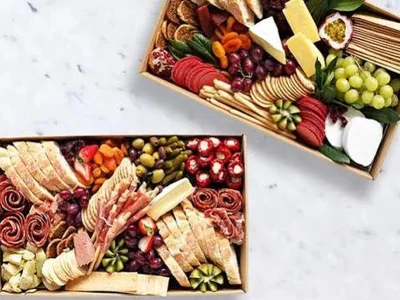
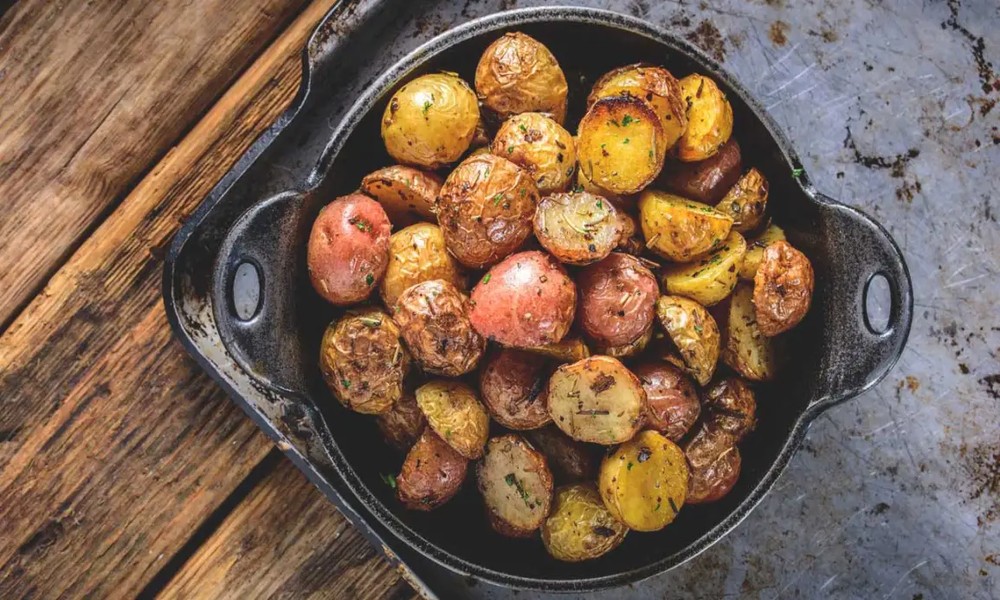
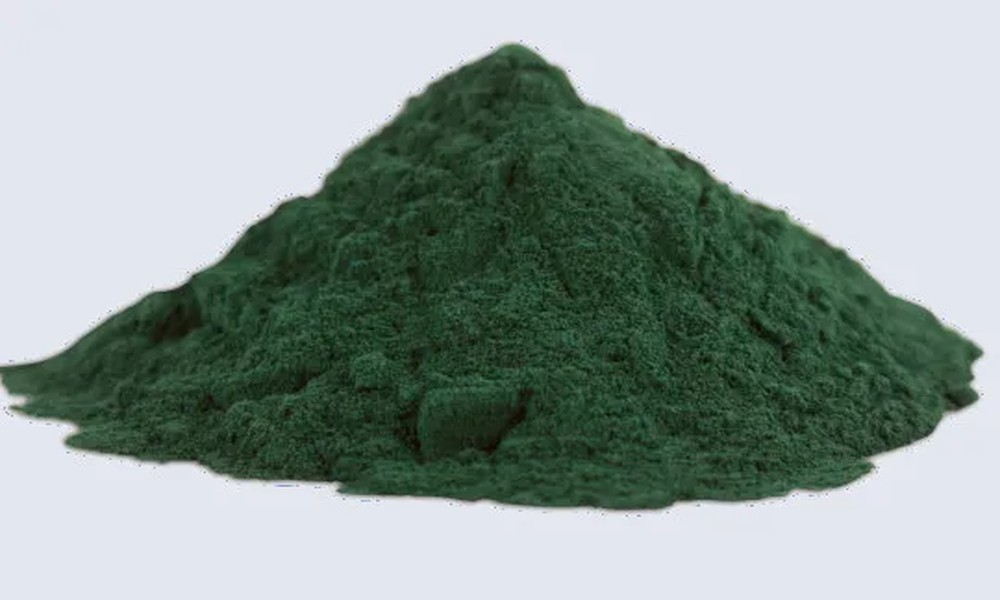
Robotic systems with precise control and soft gripping mechanisms can handle these items without causing damage. This helps maintain product quality while still benefiting from automation.
Conclusion
Container unloading robots are no longer limited to simple, uniform products. Today’s systems are capable of handling a wide spectrum of food items-from rigid cartons and flexible bags to frozen goods and delicate packages.
By adapting to different packaging types, environmental conditions, and logistical requirements, these robots play a crucial role in improving efficiency, reducing labor dependency, and ensuring consistent handling in the food industry. As technology continues to advance, their application range will only expand further, making them an essential component of modern food supply chains.



Comments