
 By
By 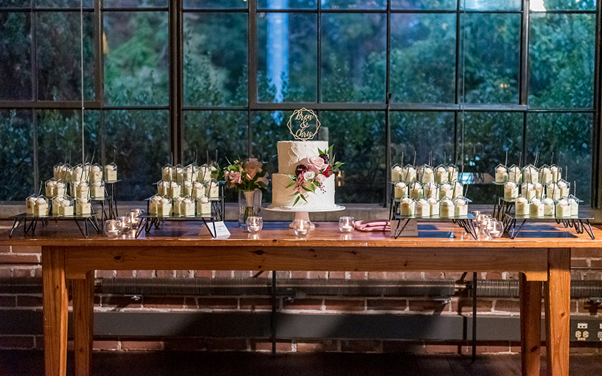
Mini buffet catering and buffet catering are no longer services reserved solely for corporate functions and commercial events. Increasingly, caterers are serving a broader range of non-commercial gatherings—from religious ceremonies and baby full-months to void deck weddings and memorial services. These events come with unique logistical, cultural, and operational requirements that differ significantly from business-oriented catering. Yet, they represent a steady and often underserved segment in the catering industry.
The Rise of Mini Buffet Catering in Religious Settings
Religious events, such as Chinese temple blessings, Malay kenduri doa selamat, or Hindu prayer ceremonies, often require food to be served in large quantities within short timeframes. Organisers, at the same time, must comply with strict dietary, cultural, and ritual standards. For example, vegetarian-only spreads for Buddhist events or Halal-certified menus for Islamic gatherings are not optional; they are mandatory.
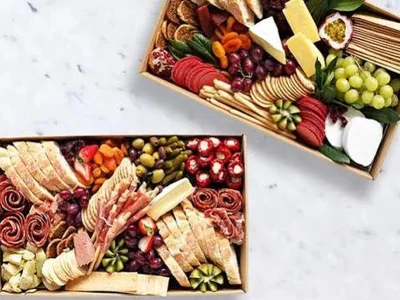
Mini buffet catering serves as a practical solution here. These setups are pre-packaged for easy drop-off and consumption, often requiring minimal setup while still offering sufficient variety. Since they are portioned and sealed individually or in covered trays, they minimise handling and respect the hygienic and sacred environment of the event. The ability to serve 30–50 guests without requiring full-service staff allows families to remain focused on rituals without worrying about logistics.
Catering for Void Deck Weddings and Heartland Celebrations
Void deck weddings, commonly seen in Malay communities, are deeply personal and community-driven. Unlike hotel banquets, these celebrations are managed within limited spaces and constrained budgets. However, expectations for food quality, quantity, and cultural appropriateness remain high.
This is where buffet catering, particularly those offering extended service such as warmers, thematic décor, or even live stations, finds strong demand. Caterers that specialise in this segment understand the importance of timing, local customs, and menu familiarity. From ayam masak merah to lontong and satay, the ability to provide traditional favourites while managing space limitations is critical.
Moreover, the flexibility of buffet catering allows for staggered dining, accommodating large crowds flowing in and out across the event duration. The caterer, in some cases, is also required to assist with ancillary elements such as tea reception stations, drinks, or even dessert corners. The best caterers are those who can do more than deliver trays—they coordinate floor plans, manage queue logistics, and anticipate crowd density without intruding on the celebratory atmosphere.
Buffets at Wakes and Memorial Services
Funerals and memorial services also rely on mini buffet catering, but with a different emphasis—discretion, simplicity, and availability at short notice. Unlike weddings, these events often occur with little time for planning. However, the need for food remains consistent, especially with wakes running over several days.
Caterers in this space must be able to mobilise fast and provide modest, fuss-free menus. Familiar, comforting food such as bee hoon, fried rice, and curry chicken are often preferred, along with beverages that remain presentable for long durations. Caterers that can offer overnight delivery or next-morning setups gain a competitive advantage in this niche, especially when bereaved families are not in the headspace for detailed menu planning.
Operational Flexibility Is Key
Across all these non-commercial gatherings, one thing is clear—operational flexibility defines whether a caterer is suitable or not. Unlike corporate events, where schedules are rigid, these gatherings are defined by unpredictability. Events may be delayed due to prayers running long, guest arrivals may vary by the hour, and storage space for leftovers is often limited.
Caterers offering mini buffet catering must be able to scale up or down quickly. Packaging must suit the environment—heat-resistant for void deck settings, discreet for religious halls, and manageable for family members with limited help. Pricing structures must also be transparent, as most organisers operate within tight budgets.
Conclusion
The diverse cultural and religious landscape has created a stable, year-round demand for mini buffet catering and buffet catering beyond traditional corporate or celebratory events. Religious ceremonies, void deck weddings, and memorial services each present unique challenges that caterers must meet with sensitivity and precision. Tapping into these non-commercial markets requires players in the catering industry not only culinary excellence but also logistical empathy and deep cultural understanding.
Contact Select Catering for custom menus, urgent setups, and professional service that respects your traditions.







Comments