
 By
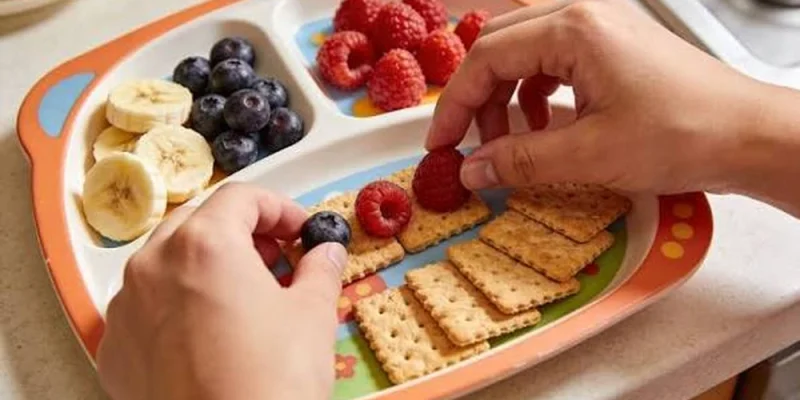
Infant palates form earlier than most parents expect. Taste preferences start in the womb before weaning. Well-made organic baby snacks turn first bites into real discovery. Natural flavor, clean sourcing, and sensible texture all matter. Variety, label-reading, and lasting habits complete the picture. Each choice carries weight during one brief window. Small decisions at six months echo for years. The snack aisle explains none of this. Good snacks respect that fragile start. The finest early foods invite exploration, not resistance. A short feeding stage rewards thoughtful picks. Those early spoons leave their mark. First impressions of eating take hold.
Early Taste Shapes Lifelong Eating Habits
A baby’s taste map is wide open at first. Flavors met in utero, then through milk, prime later acceptance. Between six and twelve months, that openness peaks. Offering real, recognizable tastes during this stretch pays off. Comfort with varied foods takes root. Each early bite shapes tomorrow’s preferences. Miss it, and fussiness sets in.
Why Does Natural Flavor Matter Most?
Artificial sweeteners train a palate toward exaggerated sensations. Natural sources speak in gentler, truer notes. Clean organic baby snacks carry the taste of pear or oat. Children learn what food should taste like. That honest first impression steadies choices made later. Carrot stays earthy, not candied. Real food needs no disguise.
Organic Sourcing Protects Delicate Infant Systems
Infant kidneys and livers clear toxins at a crawl. Produce grown without synthetic pesticides lowers that chemical load. Certified farming skips artificial colors and preservatives. The result is a cleaner first encounter with solid food. Less residue reaches a body learning to process it. A clean start spares an organ still maturing.
What Textures Suit New Eaters Best?
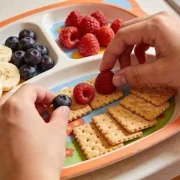
Gums do the work before teeth arrive. Texture must dissolve or yield under light pressure. Strong snacks share a few traits:
- Melt quickly against the gums and tongue
- Break into soft pieces without sharp edges
- Hold a size that small hands grip
- Carry no whole nuts or hard seeds
A melt-away bite wins here.
Variety Builds Broader Flavor Acceptance Early
Repetition alone does not widen a young palate. Rotation does the real work. Research tracking early eaters found a striking pattern. Infants met five vegetables across two weeks. A month on, each ate more unfamiliar produce. One new taste makes the next feel safe. Rotating single-ingredient options beats blending everything into one sweet blur.
How Can Parents Read Ingredient Labels?
Short lists signal honest formulation. Front-of-pack claims can mislead. Ingredient order reveals what dominates each bite. Sharper picks tend to:
- Name a real food first
- Skip any added cane sugar
- Avoid vague flavor blend terms
- List whole, recognizable ingredients
The back panel tells the truth. A trusted brand hides nothing. Fewer words mean fewer surprises.
The Palate Remembers These First Months
The five-vegetable fortnight was not about two weeks. It bought a decade of calmer dinners. The oat and pear from seven months linger. Early tastes compound rather than fade. Clean-label jars pay off years later. One honest start spares a thousand standoffs ahead. Pennies at the checkout, years at the table. A learned flavor tends to persist. The window does not remain open. What fills it drafts a whole appetite. Taste, once taught, outlasts the jar.
FAQs
When can a baby start finger foods?
Many infants handle soft, dissolvable foods near six months. A pediatrician should confirm readiness before the first spoon.
Do natural flavors beat added sugar?
Natural notes steer a palate toward real food. Added sugar trains it to chase intensity later.
Is certified sourcing worth the higher price?
Organic farming cuts pesticide residue reaching an immature system. For daily feeding, that lighter load earns its cost.
How many flavors should a baby try?
Rotating several single-ingredient tastes early widens acceptance. Five vegetables across two weeks produced measurable gains.
Are store-bought snacks safe for weaning?
Age-rated options with short ingredient lists suit new eaters. Supervise each sitting, and match texture to chewing skill.
Should fruit come before green vegetables?
Leading with vegetables keeps bitter notes familiar. Early sweetness can make greens a harder sell.
Can snacks replace a proper meal?
Snacks bridge gaps between milk and meals. Treat them as practice bites, not full nutrition.






Comments