
 By
By 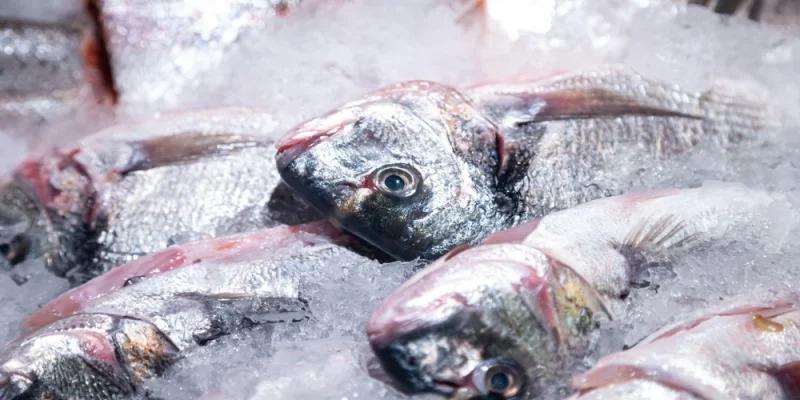
Important Points
- Check eyes (clear, not cloudy) and gills (red, not brown) first.
- Press the flesh – it should spring back, not leave a dent.
- Ask your fishmonger about delivery timing and whether stock was previously frozen.
- Steaming time depends on thickness, roughly 10 minutes per inch.
Introduction
Standing at a fish stall can feel like a guessing game if you don’t know what to look for. One wrong pick and dinner turns rubbery or overly fishy in smell. The good news is that spotting quality seafood only takes a few seconds once you know the signs. Whether you’re after a threadfin fillet or planning a healthy steamed fish recipe for the week, the market visit is where the meal is really decided. Get the fish right, and the cooking part practically takes care of itself.
Start With the Eyes and Gills
The eyes are the fastest freshness check. Fresh fish has clear, slightly bulging eyes – cloudy or sunken ones mean it’s been sitting a while. Next, lift the gill flap if you can. It should be a deep red or pink, never brown or grey. A strong ammonia-like smell is another red flag, even if everything else looks fine. When shopping for a threadfin fillet, ask the stallholder to show you the whole fish it was cut from if possible, since a fillet on its own hides some of these clues. These two checks alone rule out most poor options.
Check the Flesh and Texture
Press the fish gently with a finger. Fresh flesh springs back almost immediately; if the dent stays, it’s past its best. The surface should look moist and slightly shiny, not dull or dried out at the edges. For fillets specifically, look at the colour consistency – patchy or greyish patches usually mean uneven handling or age. Here’s a quick checklist worth remembering at the counter:
- Springs back when pressed, no lingering dent
- Moist, shiny surface rather than dry or tacky
- Even colour with no dull or brownish patches
- Firm edges, not soft or separating
Skip anything that fails more than one of these on sight.
Ask the Right Questions
Fishmongers deal with this daily, so a couple of direct questions go a long way. Ask when the delivery came in and whether the fish has been previously frozen – there’s nothing wrong with frozen fish, but it changes how you should plan your healthy steamed fish recipe, since thawed fillets can release more water during cooking. It also helps to ask which cuts are moving fastest that day, since higher turnover usually means fresher stock. Building a bit of a rapport with your regular stall means better recommendations over time, and most sellers are happy to point out their best catch of the day.
Timing Your Steamed Fish Recipe
| Fish Type | Approx. Steaming Time | Best Served With |
| Whole fish (medium) | 10-12 minutes | Ginger, spring onion, light soy |
| Fillet (thin cut) | 5-7 minutes | Garlic, chilli, a squeeze of lime |
| Fillet (thick cut) | 8-10 minutes | Steamed vegetables, black bean sauce |
Steaming is forgiving, but timing still matters – overcooked fish turns dry and loses its natural sweetness fast. A general rule is roughly ten minutes per inch of thickness, checked by seeing if the flesh flakes easily with a fork.
Conclusion
Freshness at the market isn’t guesswork once you know what to look for – clear eyes, red gills, springy flesh and a clean smell cover most of it. Pair that with a few honest questions to your fishmonger, and you’ll walk away with something worth cooking properly, whether that’s a simple fillet or a whole fish for the table. The steaming part is the easy half; the shopping is where the real difference gets made.
Contact Catch of the Day to find out what’s freshest in store today, or to ask about the best cuts for your next steamed dinner.










Comments